Introduction
In an age where technology continually reshapes our world, Voice Over Internet Protocol (VoIP) emerges as a beacon of innovation. This transformative technology not only enhances communication but also presents a unique opportunity to cultivate a more sustainable environment. So how does VoIP contribute to ecological betterment? Let’s dive deep into the myriad ways we can harness the power of VoIP Phone Service for a greener planet.
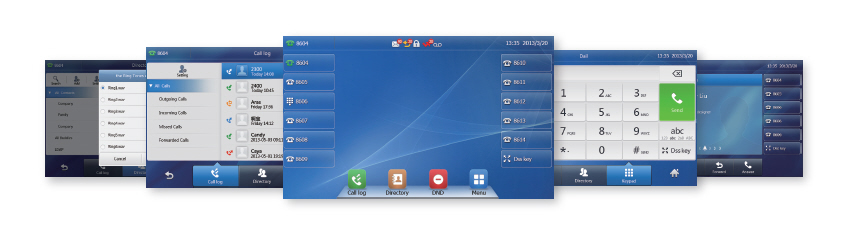
The Fundamentals of Voice Over IP
What is VoIP?
VoIP, or Voice Over Internet Protocol, allows you to make phone calls using the internet instead of traditional phone lines. This technology works by converting voice signals into digital data packets, which are transmitted over the internet, ensuring clear and reliable communication.
How Does VoIP Work?
When you make a call using VoIP, your voice is digitized and sent through the internet in packets. The receiving end then reassembles these packets back into audio. This process enables high-quality conversations while reducing costs associated with traditional telephony.
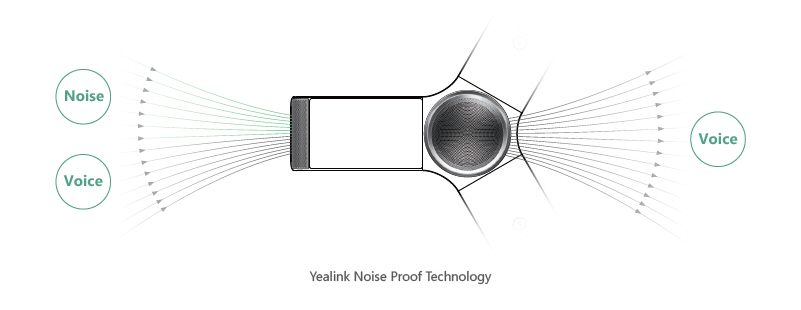
Key Components of VoIP Systems
- VoIP Phones: Specialized devices designed for VoIP services. Analog Telephone Adapters (ATA): Convert analog signals into digital data. VoIP Gateways: Connect different networks and facilitate communication. Softphones: Software applications that enable calling from computers or mobile devices.
Harnessing the Power of Voice Over IP for a Better Environment
Integrating VoIP technology plays a significant role in fostering eco-friendly practices within businesses and homes. With reduced reliance on physical infrastructure and lower energy consumption, VoIP offers a pathway to greener communication methods. Let’s explore how this technology contributes to environmental sustainability.
Reducing Carbon Footprint with VoIP Phone Service
By minimizing the need for extensive physical infrastructure, businesses can significantly reduce their carbon footprints. Traditional telephone systems require numerous hardware components that consume resources during manufacturing and operation. In contrast, VoIP solutions can operate with minimal hardware needs.
Eliminating Paper Waste Through Digital Solutions
Traditional phone systems often generate paper records for billing and usage statistics. In contrast, VoIP services typically offer digital documentation options that reduce paper waste significantly. This transition toward digital records not only enhances efficiency but also aligns with eco-friendly practices.
Energy Efficiency of VoIP Services
VoIP systems tend to be more energy-efficient than traditional telephony methods. These services can function on existing computer networks without necessitating additional power-hungry hardware installations. Consequently, organizations utilizing VoIP can experience substantial reductions in energy consumption.
Cost Savings Associated with VoIP Phone Services
Lower Operational Costs
One major advantage of switching to VoIP is the Business Phone Service reduction in operational costs. Businesses often find that maintaining traditional telephone lines incurs higher monthly fees compared to cloud-based solutions like VoIP.
Free or Low-Cost Calls
Many providers offer free calls between users on their networks, which eliminates long-distance charges associated with conventional phone lines. This benefit translates into lower overall expenses for both personal users and businesses alike.
Scalability Without Financial Burden
As companies grow, scaling their telecommunications becomes financial burdensome when relying on traditional phone systems. With VoIP, adding new lines or features is as simple as clicking a few buttons—without incurring hefty installation costs.
Environmental Benefits: A Closer Look at Sustainability Initiatives
Remote Work: The Green Revolution
The rise of remote work has been expedited by technologies like VoIP Phone Service. By allowing individuals to work from home or any location with internet access, we minimize commuting emissions—a significant contributor to urban pollution.
Pros of Remote Work:
Reduced traffic congestion Lower greenhouse gas emissions Enhanced work-life balanceVoIP's Role in Disaster Recovery and Resilience Planning
Business Continuity in Crisis Situations
VoIP's flexibility allows organizations to maintain operations even during natural disasters or other emergencies by rerouting calls seamlessly to employees located away from affected areas.
Key Features Supporting Business Continuity:
- Call forwarding capabilities Cloud storage for important data Remote access functionality
Enhanced Communication Across Geographies: Bridging Gaps Globally
Global Connectivity with Eco-Friendly Practices
Using VoIP services fosters improved global connectivity without incurring extensive travel costs or environmental impacts associated with air travel.
How Global Connectivity Contributes to Sustainability:
Reduces business trips. Encourages collaboration across borders. Fosters international partnerships focused on sustainability goals.Improving Accessibility: Empowering Communities Worldwide
Breaking Down Barriers with Affordable Communication Tools
VoIP provides accessible pricing structures that enable communities worldwide—especially those in remote areas—to connect easily without financial strain.
Impact on Developing Regions:
Affordable access encourages education via e-learning platforms. Enhances healthcare communication through telemedicine initiatives. Strengthens local economies through improved connectivity.User-Friendly Interface: Simplifying Communication Technologies
Intuitive Designs That Promote Adoption Among Users
Modern VoIP solutions prioritize user experience by providing intuitive interfaces that appeal to various demographics—from tech-savvy youths to less experienced older populations.

Elements Enhancing Usability:
Simplified setup processes. User-friendly dashboards for managing accounts. Comprehensive customer support resources available online.FAQs about Voice Over IP Technology
Q1: What are the main benefits of using a VoIP Phone Service?
A1: The primary benefits include cost savings on calls, enhanced scalability options, reduced carbon footprint due to less infrastructure reliance, and improved accessibility globally.
Q2: Is the call quality on VoIP comparable to traditional phones?
A2: Yes! With sufficient bandwidth and proper configuration, call quality can be equal or superior compared to traditional landlines due to digital transmission advantages.
Q3: Can I use my existing phone number with a new VoIP service?
A3: Most providers allow you to port your existing number over without any hassles; just check compatibility before switching!
Q4: How secure are my conversations when using a VoIP service?
A4: While no system is completely foolproof against hacking attempts, reputable providers implement encryption methods that enhance security during calls significantly.
Q5: Do I need special equipment for using a VOiP service?
A5: Depending on your choice—either dedicated phones (VoIPs) or softphones—you may need some hardware; however many apps allow calling directly from smartphones/laptops without extra gear!
Q6: Will power outages affect my ability to use my VOiP service?
A6: Absolutely! If you're dependent solely upon electrical outlets without backup—power outages could disrupt connectivity; consider battery backups as safeguards!
Conclusion
In summary, "Harnessing the Power of Voice Over IP for a Better Environment" means embracing an innovative solution that simultaneously meets our communication needs while promoting sustainability initiatives worldwide! From drastically reducing carbon footprints by eliminating unnecessary infrastructure reliance—to enhancing accessibility across geographies—the benefits extend far beyond mere convenience alone!
So let’s embrace this remarkable technology together; after all—our planet deserves it!